In a world where energy efficiency is becoming fundamental, modern automation plays a key role. Current energy systems integrate advanced technologies to optimize the management and distribution of energy. From smart sensors to sophisticated algorithms, each component contributes to a more rational use of resources.
These innovations allow for real-time regulation of energy consumption and production. For example, smart electrical grids automatically adjust supply to meet demand, thereby reducing losses and improving reliability. The goal: a more sustainable and efficient energy transition.
Modern Automation Techniques in Energy Systems
Modern automation techniques in energy systems are transforming the way we consume and manage energy. By integrating smart sensors and advanced control systems, these technologies enable remote monitoring and real-time data analysis. This precise tracking facilitates informed decision-making and optimization of energy performance.
Automated systems do not just collect data. They are capable of executing commands using a source of energy, thus ensuring a quick and appropriate response to current needs. This ability to act in real-time is fundamental for reducing greenhouse gas emissions and improving energy efficiency. Smart charging solutions and predictive maintenance are concrete examples that enhance efficiency and reduce operating costs.
Digital twins and data modeling play a central role in these systems. They help forecast and optimize energy performance, providing a precise and forward-looking view of needs and actions to be taken. The use of the Internet of Things (IoT) connects various equipment, ensuring coherent and integrated resource management.
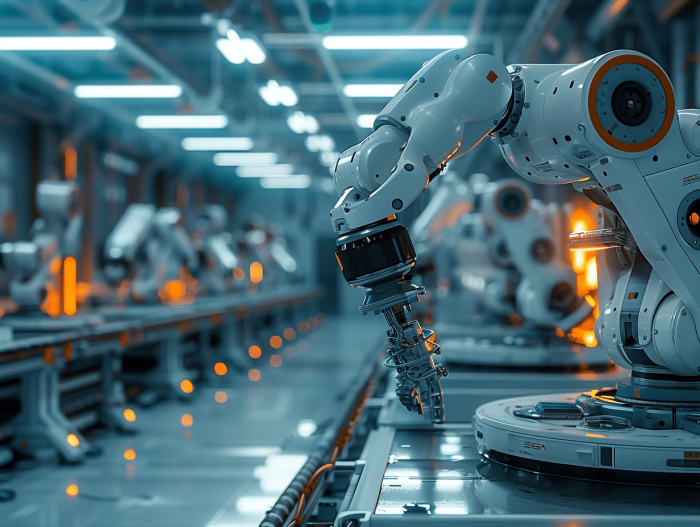
In industry, the automation of equipment and the integration of next-generation technologies are levers for reducing operating costs and greenhouse gas emissions. Robots and automated control systems take over the most tedious and repetitive tasks, thereby reducing musculoskeletal disorders among workers. Companies adopt these innovations to remain competitive and respond to increasing environmental constraints.
How Energy Systems Drive Actions for Better Performance
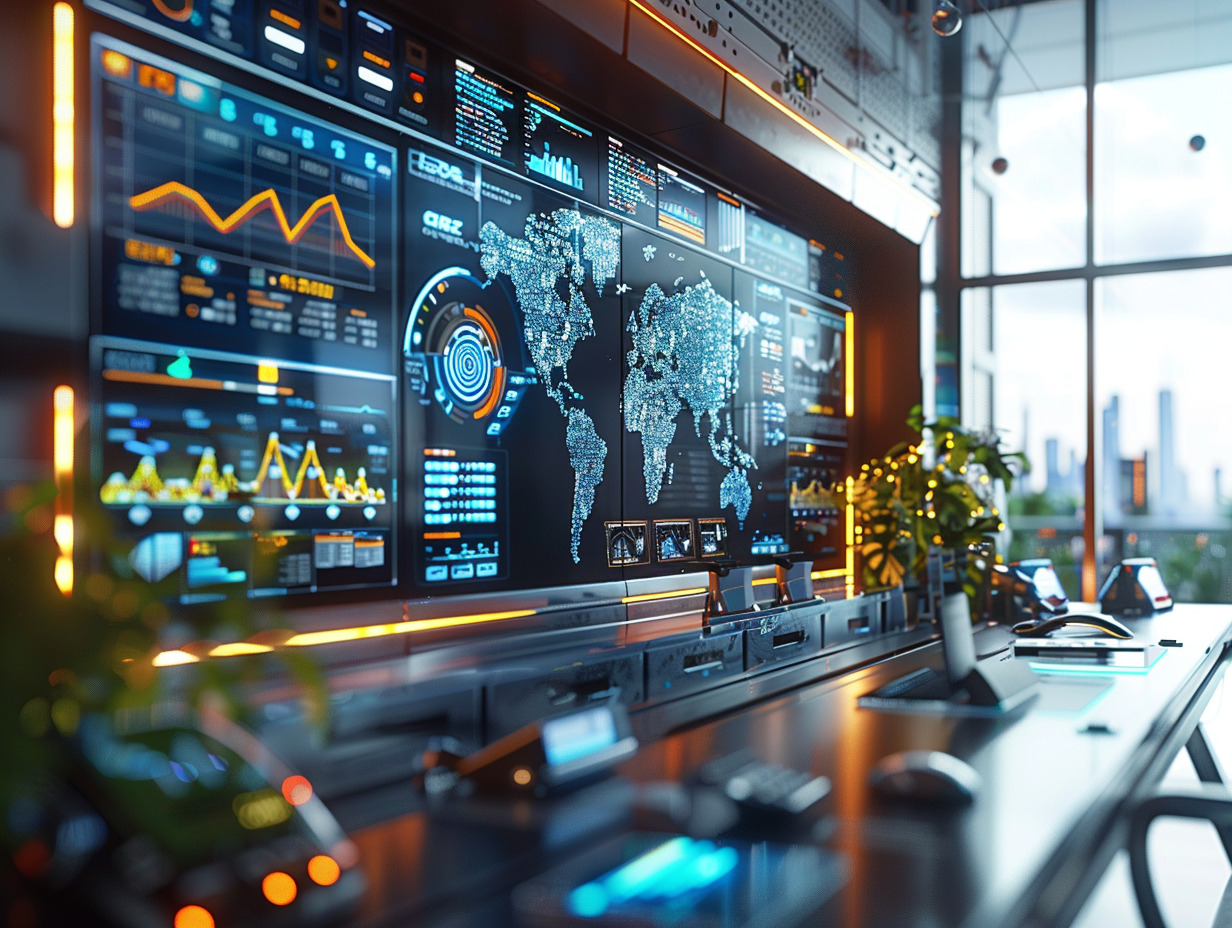
Modern energy systems allow for precise analysis of energy performance. They identify peak hours and energy waste, thus contributing to more efficient resource management. Behavioral, organizational, and technical actions are driven to improve energy efficiency and reduce operating costs.
Industrial companies and factories adopt more efficient equipment and technical projects to remain competitive in the market. With digital twins and data modeling, they can forecast and optimize the performance of their energy systems. These tools allow for anticipating needs and adjusting actions in real-time, ensuring optimal operation.
- High service level bus systems (BRT) and electric buses are concrete examples of this approach in the public transport sector.
- Regenerative braking and replacing lighting with LEDs are commonly implemented measures to reduce energy consumption.
- Behavioral actions include training to raise awareness among industrial site operators about effective energy management.
The energy transition and the decarbonization of mobility are key objectives for reducing greenhouse gas emissions and achieving carbon neutrality. Energy management systems, coupled with technological innovations, enable these actions to be driven in a coherent and integrated manner. The Internet of Things (IoT) plays a fundamental role in this transformation by connecting various equipment and ensuring optimal management of energy resources.