Improving one’s home without degrading indoor air quality or compromising eligibility for future public aid requires a systemic approach, not an isolated one. Too many improvement projects treat insulation, heating, or interior design as independent lines, while each intervention alters the air and thermal balance of the building.
Ventilation and insulation: the technical couple that renovation neglects
Enhancing the airtightness of a home without adjusting the ventilation is like sealing a jar. Recent recommendations on indoor air quality emphasize this point: any improvement in insulation requires monitoring of air renewal. Without this, relative humidity rises, VOCs emitted by materials and furniture accumulate, and building pathologies (condensation, mold) appear within a few months.
We recommend systematically checking the extraction rate of the existing mechanical ventilation system before adding any insulation. In a house built before the 1990s, transitioning from natural ventilation to a single-flow humidity-controlled mechanical ventilation system often constitutes the first project to undertake, even before addressing the walls.
The choice of insulation materials also affects air quality. Low-emission insulators (bore-treated cellulose, wood fiber, hemp wool) limit the release of volatile compounds compared to certain expanded polystyrenes or mineral wools with phenolic binders. Cross-referencing the product’s technical data sheet with emission classifications remains a professional reflex that is too rarely passed on to individuals.
Among News Connect’s content, several files detail this link between thermal performance and air renewal, a perspective rarely covered in traditional improvement guides.
Energy renovation and DPE: anticipating rules to avoid doing it twice
Energy renovation aids have been refocused on the most energy-consuming homes, and the “energy sieve exit” bonus has been removed. Major renovations now require professional support. These changes alter the work strategy to adopt.
Specifically, undertaking partial insulation (attic only, for example) without a global plan can render the home ineligible for a subsequent major renovation pathway, due to insufficient “remaining work” to justify support. Planning the work in coherence with the DPE pathway avoids losing aid.
We observe that the most cost-effective sequence from a regulatory standpoint follows a precise order:
- Energy audit or comprehensive technical diagnosis before any intervention, to identify the achievable DPE class jump and priority areas.
- Treatment of the envelope (insulation of walls, roof, ground floor) coupled with upgrading the ventilation, in a single batch of work.
- Replacement of the heating system last, once heat losses are reduced, to size the power accurately.
Reversing this order (installing a heat pump before insulating) oversizes the equipment and reduces the energy class gain displayed on the DPE. The additional cost is not negligible, and the final ranking remains disappointing.
Improving indoor comfort without heavy work: underestimated areas
Not all comfort gains require a construction project. Several light interventions significantly alter the thermal and acoustic perception of a living space.
Replacing window seals restores airtightness without changing the joinery. The cost is minimal, and the effect on winter comfort is immediate.
Adding thick thermal curtains (insulating polyester or fleece lining) in front of large windows reduces the sensation of cold walls. This is not a substitute for insulation, but an effective complement in north-facing living areas.
Insulating accessible hot water pipes (in basements, garages, unheated attics) limits distribution losses. Foam elastomer sleeves can be installed without special tools.

Interior design and materials: choosing without polluting
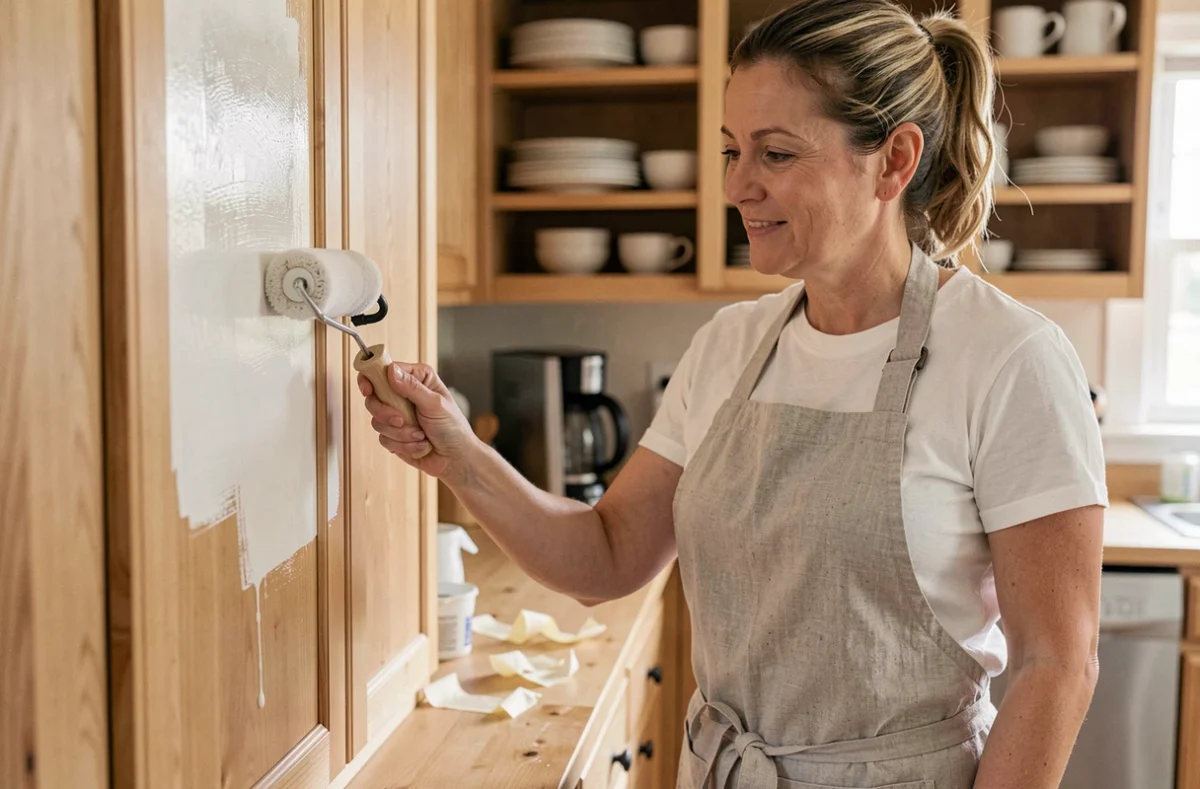
Renovating a kitchen or bathroom generates material choices that directly impact air quality for several years. Particle board panels (flat-pack furniture, low-end laminate countertops) remain the primary emitters of formaldehyde in homes.
For a kitchen project, prioritizing low-formaldehyde emission cabinets reduces emissions to an acceptable level. A low-emission piece of furniture does not necessarily cost more than a standard model: classification depends on the manufacturing process, not the commercial positioning.
Paints and finishing coatings deserve the same vigilance. The least VOC-emitting paints are suitable for all rooms, including bedrooms. Lime-based coatings, in addition to naturally regulating ambient humidity, emit virtually no volatile compounds after drying.
- Check the emission class on each can of paint, varnish, or glue before purchase.
- Ensure adequate ventilation after application to evacuate solvent residues.
Floor coverings and acoustic comfort
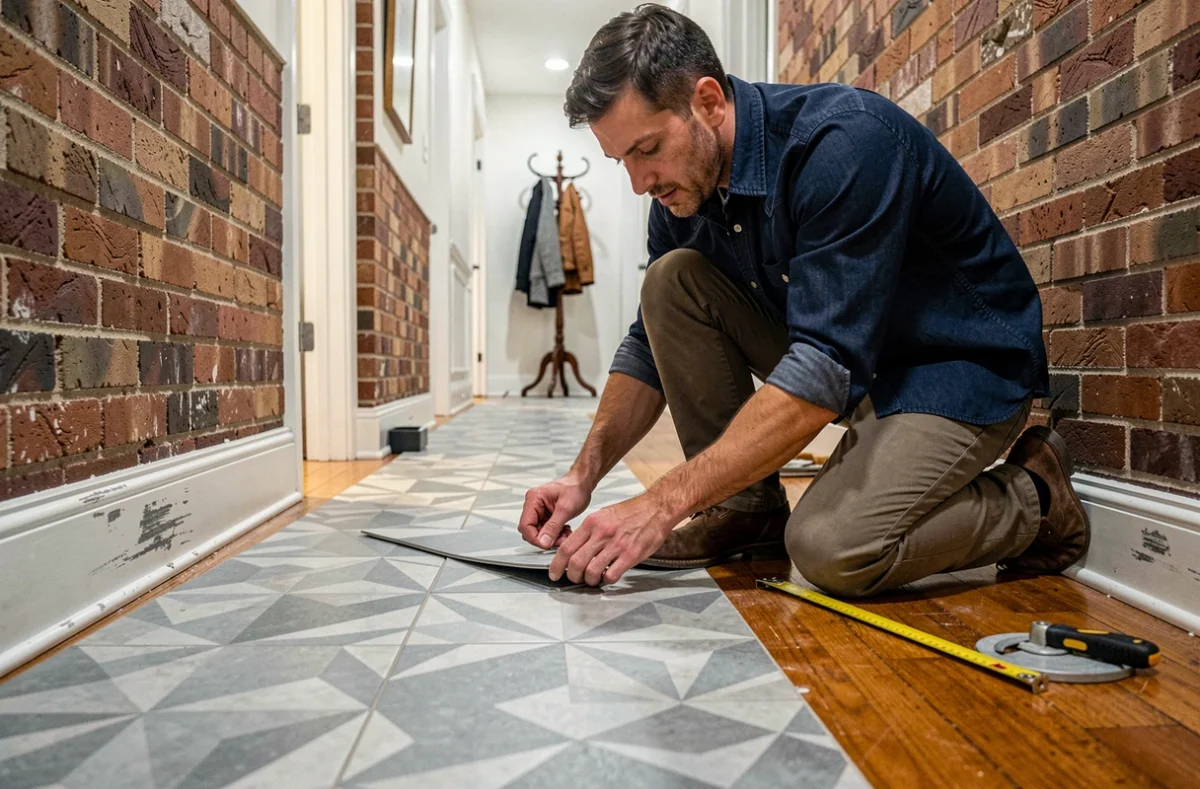
The choice of flooring influences both the perceived thermal comfort and the acoustic insulation between floors. A solid wood floor laid on joists with a resilient underlay offers superior acoustic attenuation compared to laminate clipped directly onto a screed. The underlay determines acoustic performance more than the flooring itself.
In an apartment, replacing tiles with a soft floor (real linoleum made from linseed oil, not PVC) improves walking comfort while reducing impact noise transmitted to neighbors.
Each improvement area benefits from being considered in interaction with others. A home that is thermally efficient but poorly ventilated, or renovated with emitting materials, does not deliver on comfort promises. The coherence of the project takes precedence over the sum of isolated interventions.