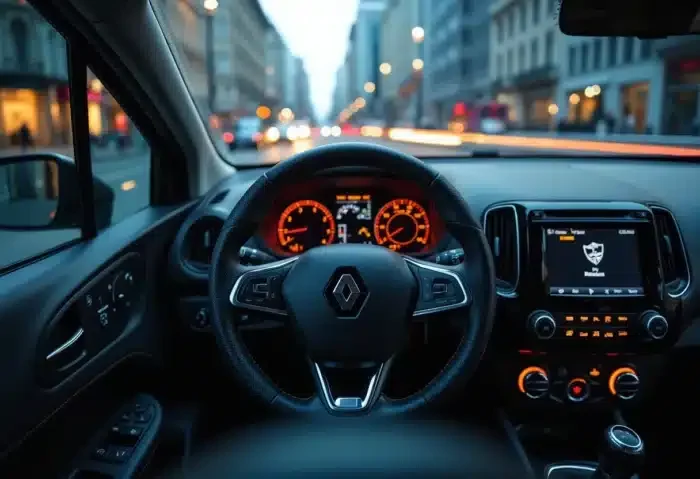
The Clio 3, a car valued for its reliability and design, is equipped with a dashboard filled with warning lights. These indicators, often overlooked, are essential for ensuring the safety and proper functioning of the vehicle. Each light has a specific meaning, whether it’s the engine oil alert, the battery warning, or the tire pressure indicator.
When one of these lights comes on, it’s important to know how to react. Ignoring a warning light can lead to serious mechanical issues or costly breakdowns. Learning to identify and interpret these signals helps keep the Clio 3 in good condition and ensures smooth journeys.
The dashboard warning lights of the Renault Clio 3
The Renault Clio 3, a popular and reliable model, has a dashboard equipped with several warning lights. Understanding the meaning of these lights is essential for maintaining and ensuring the safety of your vehicle. Here’s an overview of the main lights to watch out for:
- Oil pressure light: lights up when the engine oil pressure is insufficient.
- Battery charge light: indicates a problem with the battery charging system.
- Brake light: indicates low brake fluid level or a problem with the braking system.
- Airbag light: signals a problem with the airbag system.
- Seatbelt light: reminds the driver and passengers to fasten their seatbelts.
- Fuel level light: warns that the fuel level is low.
- Service light: indicates that the vehicle requires maintenance or a check-up.
- Low beam light: indicates that the low beams are activated.
- High beam light: indicates that the high beams are on.
- Turn signal light: indicates the activation of the left or right turn signals.
Interpreting the colors of the lights on the Renault Clio 3
The dashboard lights are also differentiated by their colors, each having a specific meaning:
- Red: generally associated with a critical alert requiring immediate action. For example, the oil pressure light or the battery charge light.
- Orange: signals a problem to monitor or an action to be taken soon. The orange light meaning for Clio 3 includes indicators like the fuel level light or the service light.
- Green: indicates that certain functions are activated, such as the low beams or turn signals.
- Blue: used for the high beams, signaling their activation.
Correctly interpreting these lights allows for appropriate reactions and helps keep your Renault Clio 3 in perfect working condition.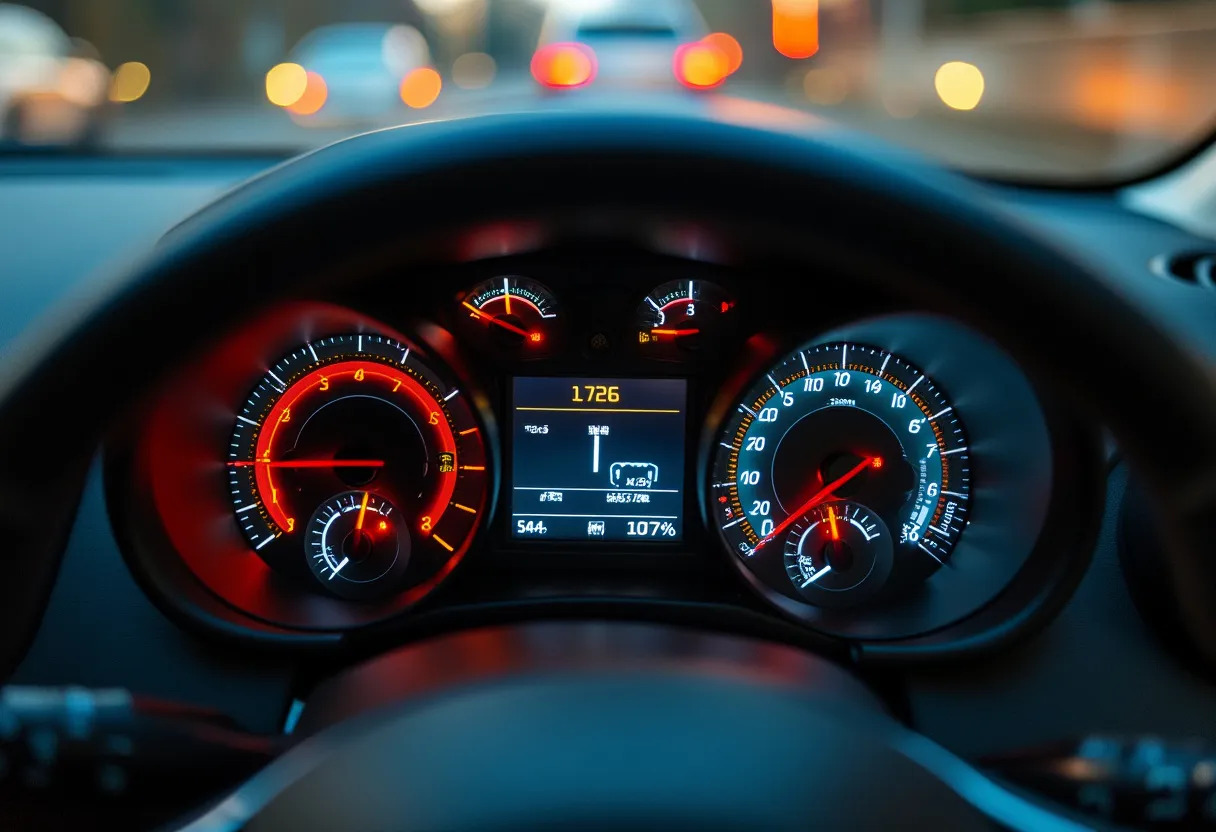
Interpreting the colors of the lights on the Renault Clio 3
On the Renault Clio 3, the dashboard lights are distinguished by specific colors, each having a distinct meaning. Understanding these color codes allows for appropriate reactions to your vehicle’s alerts.
Red lights
Red lights signal critical situations requiring immediate intervention. Among them:
- Oil pressure light: lights up when the engine oil pressure is insufficient.
- Battery charge light: indicates a problem with the battery charging system.
- Brake light: signals low brake fluid level or a problem with the braking system.
- Seatbelt light: reminds the driver and passengers to fasten their seatbelts.
Orange lights
Orange lights signal problems to monitor or actions to be taken soon:
- Fuel level light: warns that the fuel level is low.
- Service light: indicates that the vehicle requires maintenance or a check-up.
Green and blue lights
Green and blue lights primarily indicate activated functions:
- Low beam light: indicates that the low beams are activated.
- Turn signal light: shows the activation of the left or right turn signals.
- High beam light: signals that the high beams are on.
Correctly interpreting these lights requires constant vigilance to ensure early diagnosis and prompt intervention, thus preventing costly or dangerous breakdowns. Keep your Renault Clio 3 in perfect condition by paying attention to these visual alerts.