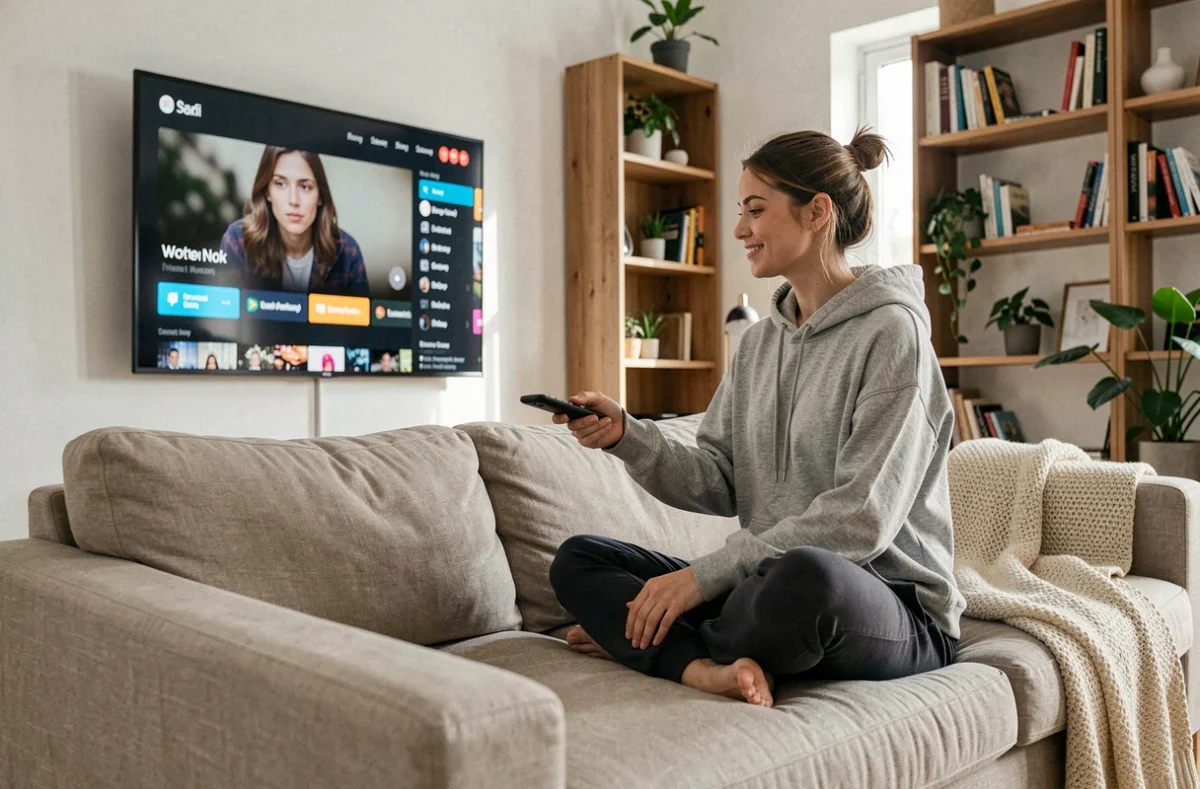
In France, more than one in three households subscribes to at least one video-on-demand service. Netflix, Amazon Prime Video, Disney+ and Apple TV+ offer extensive catalogs of films and TV shows that can be watched on any screen.
At the same time, unauthorized sites continue to stream unlicensed content, despite the stronger blocking measures introduced by Arcom. Regulations are evolving, legal services are diversifying, and the line between traditional television and streaming is blurring with the emergence of free FAST channels.
Arcom blocking and mirror sites: what stronger technical measures really change
Competitors tend to discuss the risks of illegal streaming from a legal perspective. Less often covered is how blocking works in practice and where its limits lie. For several years, Arcom has had the power to order internet service providers to block pirate streaming sites. A recent change makes it possible to add mirror sites to existing blocking orders without restarting the entire legal process.
This measure speeds up the response to clones of shut-down sites. But it does not guarantee that they will disappear for good. Pirate sites regularly reappear at new addresses, sometimes within days. Users who rely on these platforms face unstable access and have to search forums or social media for the latest active URL.
Anti-piracy efforts also extend to technical intermediaries, not just traditional internet service providers. For end users, access to a pirate site is becoming increasingly unpredictable, making the promise of free content less appealing when weighed against the time wasted and the risks involved.
Before opting for a paid service, it is worth choosing a legal streaming site based on specific criteria such as its catalog, price or compatibility with your devices.

The real risks of illegal streaming in France: penalties and technical threats
The penalties are not merely theoretical. Using an illegal IPTV service can expose subscribers to prosecution, while resellers face harsher sentences. Copyright infringement remains the applicable legal framework, with fines and prison sentences provided for under the Intellectual Property Code.
Beyond criminal penalties, the technical risks are just as real. Unauthorized streaming sites are rife with intrusive pop-up ads, redirects to fraudulent pages and attempts to install malware. Some fake streaming sites are fronts for collecting banking details.
- Malware: video players offered on these sites often contain spyware or cryptocurrency miners that use your computer’s resources.
- Personal data theft: registration forms on pirate sites do not comply with any data protection standards, unlike services subject to the GDPR.
- Unreliable service: streams can cut out mid-viewing, video quality may be poor, subtitles may be missing or out of sync, and there is no guarantee that content will remain available from one day to the next.
With a legal platform, the subscription contract commits the provider to a certain level of service. If a problem arises, users can seek help from customer service or consumer associations.
Accessibility on legal platforms: a regulatory requirement since 2025
One criterion rarely highlighted in platform comparisons is accessibility. Since June 28, 2025, the European Accessibility Act has applied to certain audiovisual media services. Features such as subtitles and audio description must be delivered in sync and allow users to adjust their settings.
This requirement changes how streaming services should be compared. Legal platforms must offer accessibility options that comply with European regulations, which pirate sites obviously do not. For people who are deaf, hard of hearing or visually impaired, choosing a legal service is not a matter of convenience but of having effective access to content.
In recent years, Netflix, Disney+ and Amazon Prime Video have gradually expanded their catalogs of audio-described and subtitled content. The quality and availability of these features vary from one platform to another, making accessibility a criterion in its own right, alongside price and the selection of films and TV shows.

FAST channels and free services: a little-known legal alternative
Legal streaming is not limited to paid subscriptions. FAST (Free Ad-Supported Streaming Television) channels broadcast continuous programming funded by advertising, with no subscription required. Already widespread in the United States, this model is gaining ground in France.
These services blur the line between linear television and video on demand. Users get a scheduled lineup, much like a traditional TV channel, but can access it through a browser or app. FAST channels offer a free, legal option for viewers who do not want to pay for multiple subscriptions.
However, the regulatory framework for these channels is still under discussion in France. Their obligations to contribute to French audiovisual production are not yet aligned with those of SVOD platforms such as Netflix or Disney+. This remains an open issue for the regulator. The legal status of FAST channels under Arcom has yet to be settled, leaving uncertainty about the obligations they may eventually face.
Legal streaming platforms: compare more than just subscription prices
The most common approach is to compare monthly prices. SVOD services in France range from a few euros to more than twenty euros per month. But price alone does not reflect the true value of a subscription.
- Number of simultaneous screens: some plans limit viewing to one device, while others allow several streams at once—a key consideration for households with children.
- Maximum video quality: 4K or HDR is not always included in the basic plan and may require an additional fee.
- Exclusive content and original productions: each platform invests in its own series and films, making catalogs difficult to compare directly.
- Device compatibility: TVs, consoles, tablets and smartphones—not every app is available on every device.
A household with two or three subscriptions can easily spend more than thirty euros a month. Bundled deals, such as those offered by some internet providers, can lower the bill by combining several services in a single package.
Ultimately, choosing a legal platform for watching films and TV shows means balancing your budget, the content you want, technical quality and accessibility. Free, ad-supported services broaden the range of options. France’s regulatory framework, with stronger blocking measures and new accessibility requirements, is pushing the entire market toward greater transparency and better service quality.