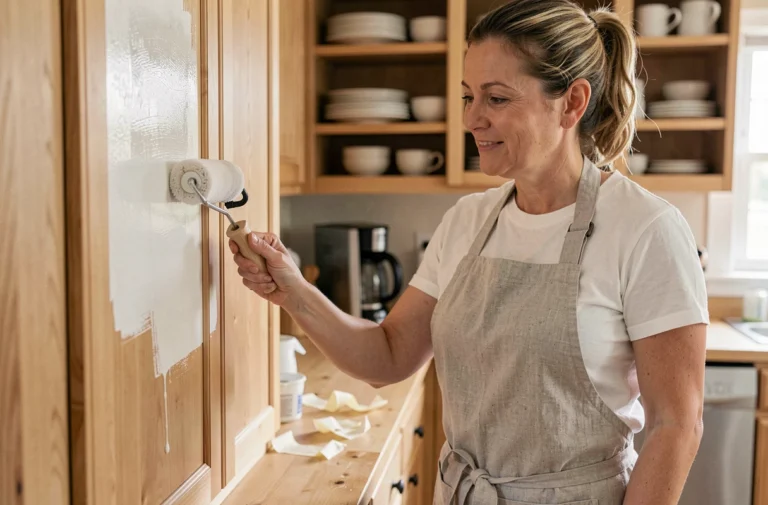
Sibling jealousy refers to a set of emotional reactions related to the perception of an imbalance in attention, privileges, or recognition within a sibling group. For younger siblings, this perception crystallizes around a specific point: the older sibling has benefited from a period of emotional monopoly with the parents, an advantage that the younger sibling will never be able to catch up on. This gap, often underestimated, forms the foundation of most sibling tensions observed from early childhood.
The older sibling’s emotional monopoly: a silent driver of sibling jealousy
Before the birth of the younger sibling, the older sibling has lived for months, sometimes years, as the sole recipient of parental attention. This initial monopoly on parental attention creates a fundamental asymmetry that the second child perceives very early on, long before they can verbalize it.
Psychologists talk about a feeling of “emotional delay”: the younger sibling arrives in a world where someone else already occupies the space. The older sibling knows the family codes, masters the language, and knows how to negotiate with the parents. The younger sibling, on the other hand, must conquer a space that is already occupied. It is not so much the status of “first” that generates envy, but the diffuse certainty that the other has received something irretrievable.
This dynamic persists even in warm and attentive families. Parents may distribute their time and affection fairly, but the younger sibling measures the gap based on a period they did not experience. The perceived injustice does not concern the present; it concerns an inaccessible past. To understand the jealousy of younger siblings towards older ones on Maman Se Repose, this original gap remains the most documented factor by clinicians.
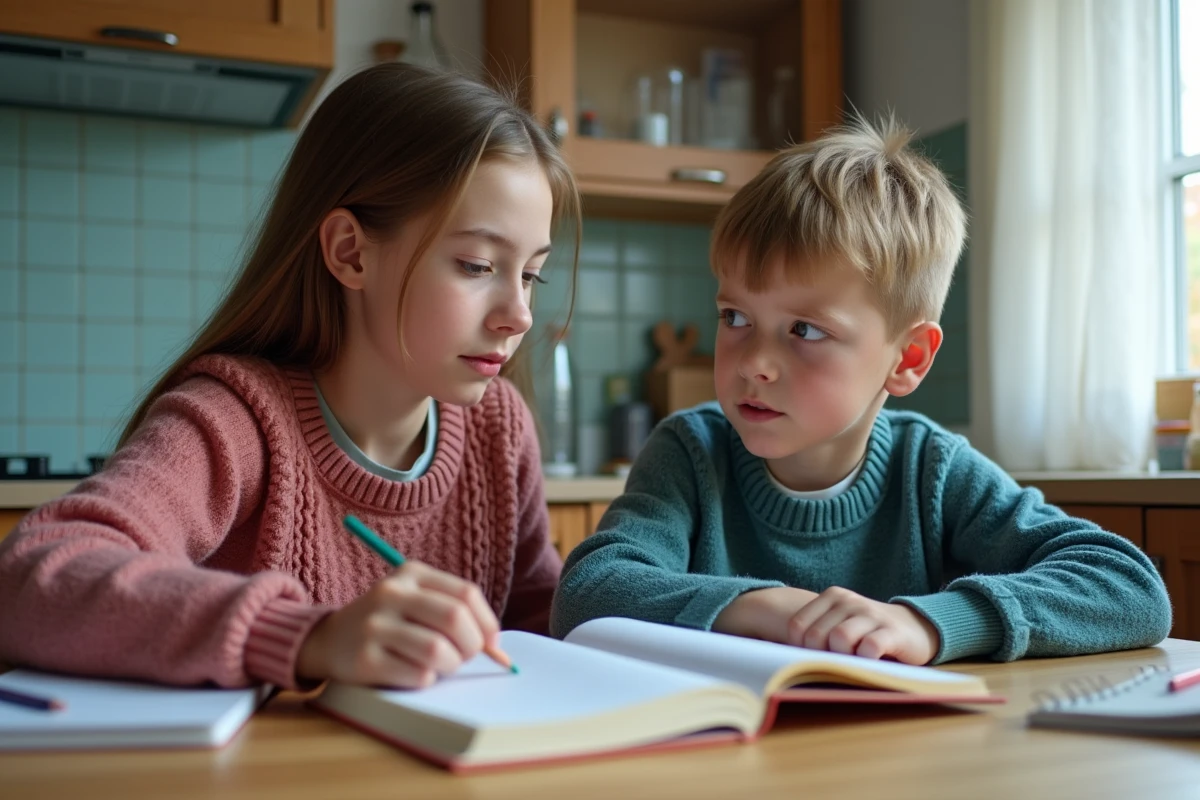
Constant comparison: when the older sibling’s “firsts” overshadow the younger
Sibling jealousy is not limited to early childhood. It evolves, changes form, and today finds a formidable amplifier: social media.
Parents, often without harmful intent, document and share their children’s major life milestones online. First day of school, first diploma, first job. The older sibling, by definition, crosses these milestones first. The younger sibling observes these posts and compares their own journey in real-time to that of their brother or sister.
Clinical psychologists have reported an increase in younger siblings expressing feelings of “always being behind” since the pandemic. The comparison, once limited to the family circle, is now displayed on a news feed visible to all. A 14-year-old younger sibling who sees the congratulations received by their older sibling for passing an exam is not just comparing academic results: they are comparing the amount of public recognition.
The trap of family chronology
The older sibling acts as a pioneer in the family. Each step they take is a family “first,” celebrated as such. When the younger sibling reaches the same milestone, the novelty has worn off. Parents react with less enthusiasm, not out of a lack of love, but because the event is already familiar to them.
The younger sibling perceives this difference in reaction as further proof of favoritism. This mechanism feeds itself: the more the younger sibling feels undervalued, the more they look for signs of differential treatment, and the more they find.
Blended families and jealousy between half-siblings
Jealousy takes on an additional dimension in blended families. When a child from a previous union cohabits with a younger sibling born from the new couple, the stakes go beyond simple parental attention.
Very concrete questions arise:
- Custody time is distributed differently: the older sibling may spend certain weeks with the other parent, which the younger sibling sometimes interprets as a privilege (more freedom) or an injustice (more double gifts)
- Financial support, alimony, and inheritances create visible material inequalities between children from different unions, fueling specific resentment
- The older sibling sometimes enjoys exclusive moments with the common parent during custody transitions, time that the younger sibling does not share
These configurations multiply points of friction. The younger sibling is no longer just competing with a brother or sister for a parent’s attention: they are competing with a system of rules and arrangements that eludes them. Jealousy then takes on a more bitter hue, as it concerns material elements that are difficult to contest.
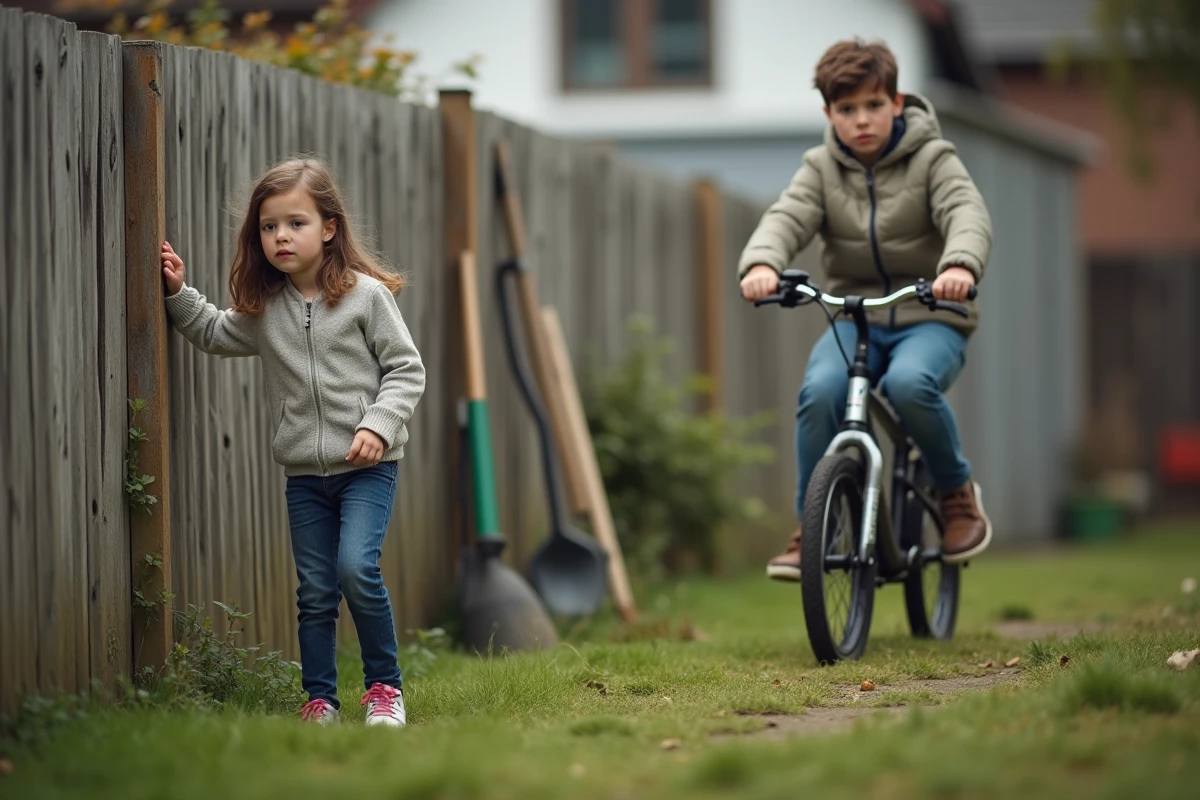
Parents’ role in sibling jealousy: reflexes that exacerbate the problem
Parents sometimes fuel the mechanism of jealousy through well-intentioned habits. Two common reflexes produce the opposite effect of what is intended.
The first is direct comparison between children, even when framed positively. “Your brother was already potty trained at your age” or “Your sister never needed to be reminded” establishes an implicit hierarchy. The younger sibling retains that the older sibling serves as a measuring stick.
The second reflex is forced symmetry. Giving exactly the same gift, allocating exactly the same time, treating both children as interchangeable copies. This approach denies the individual needs of each child and, paradoxically, reinforces the feeling of injustice. The younger sibling knows that their needs differ from those of the older sibling, and the uniformity signals to them that their particularities do not matter.
What works better according to clinicians
Recognizing the specific place of each child in the sibling group produces better results than seeking arithmetic equality. Naming the younger sibling’s emotions without minimizing them (“you feel that it’s unfair, and you have the right to feel that way”) defuses the comparison spiral more effectively than an attempt to prove that everything is fair.
The goal is not to eliminate jealousy, which remains a normal emotion in any sibling group, but to prevent it from becoming a permanent lens through which family relationships are viewed.
The jealousy of younger siblings towards their older siblings rests on a paradox that parents cannot fully resolve: the older sibling will always have been there first. Accepting this reality, rather than seeking to artificially compensate for it, remains the strongest stance for each child to build their place in the family without depending on the gaze directed at the other.