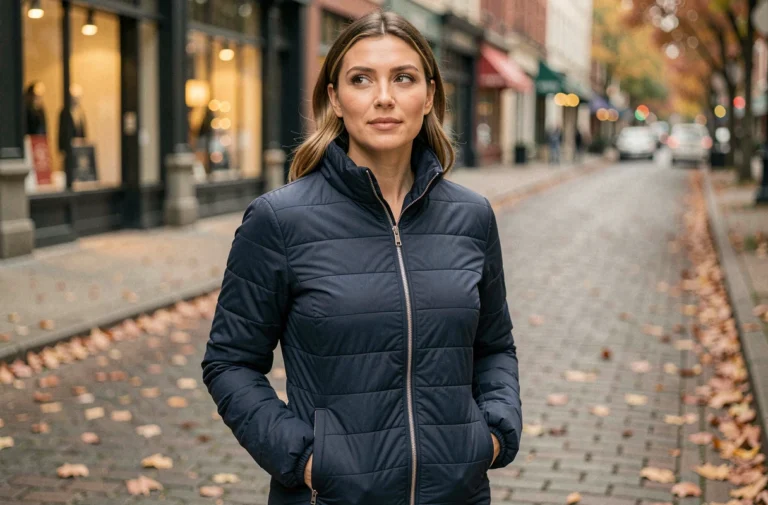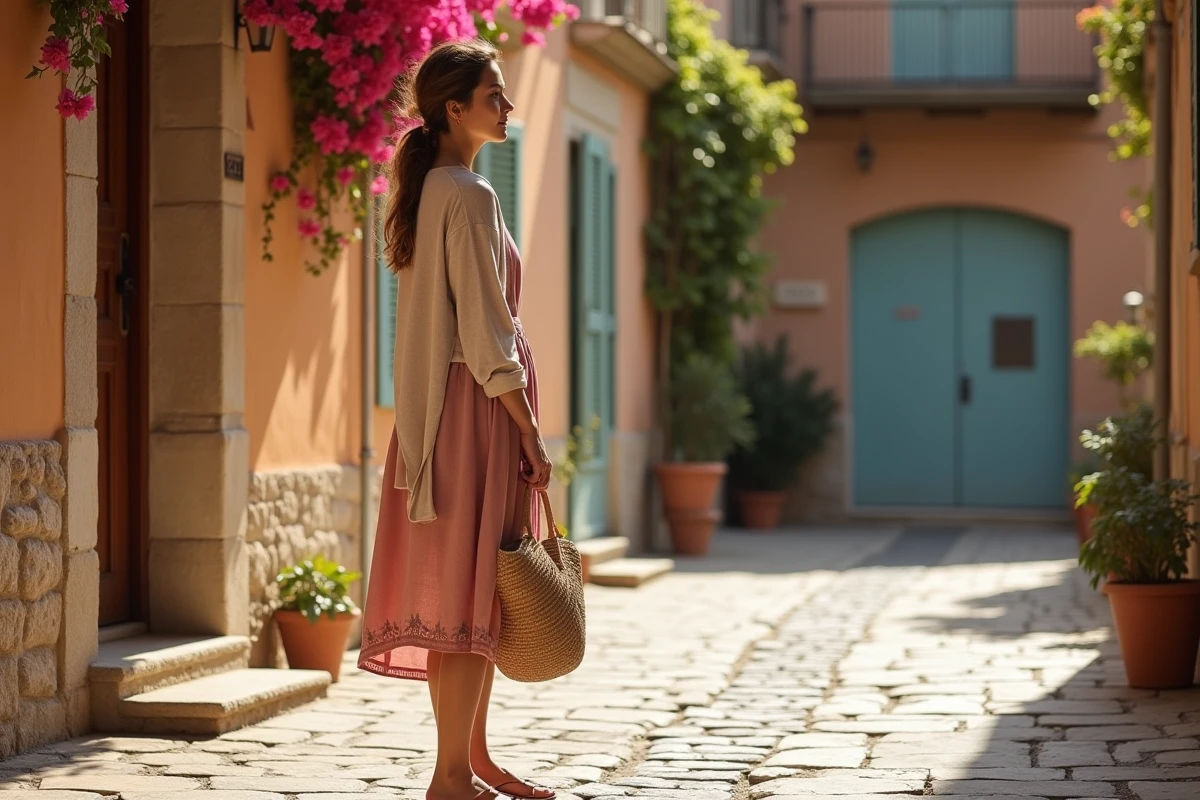
In April, Sicily displays average temperatures ranging from the morning chill to a pleasant warmth in the middle of the day. The choice of clothing relies on a parameter often overlooked: the climatic differences between the coast, swept by sea breezes, and the volcanic interior where the weather can change within a few kilometers. Packing an appropriate suitcase requires thinking in layers and geographical zones, not just by average temperature.
Sicilian Microclimates in April: Windy Coast vs. Volcanic Interior
Sicily does not have a unique climate in April. The coastal areas around Syracuse or Trapani experience a regular sea breeze that lowers the perceived temperature, even under a clear sky. Wearing a light t-shirt is sufficient at noon, but a gust by the sea makes the late afternoon quite chilly.
In contrast, the inland areas near Etna or in the hills of Enna present very different conditions. Altitude alters the data: morning fog, brief showers, and marked temperature differences between morning and early afternoon. A single day may require a coastal windbreaker and a light fleece at altitude.
To create an ideal outfit for April in Sicily, it is essential to anticipate these variations and focus on modular pieces rather than a single style of clothing.
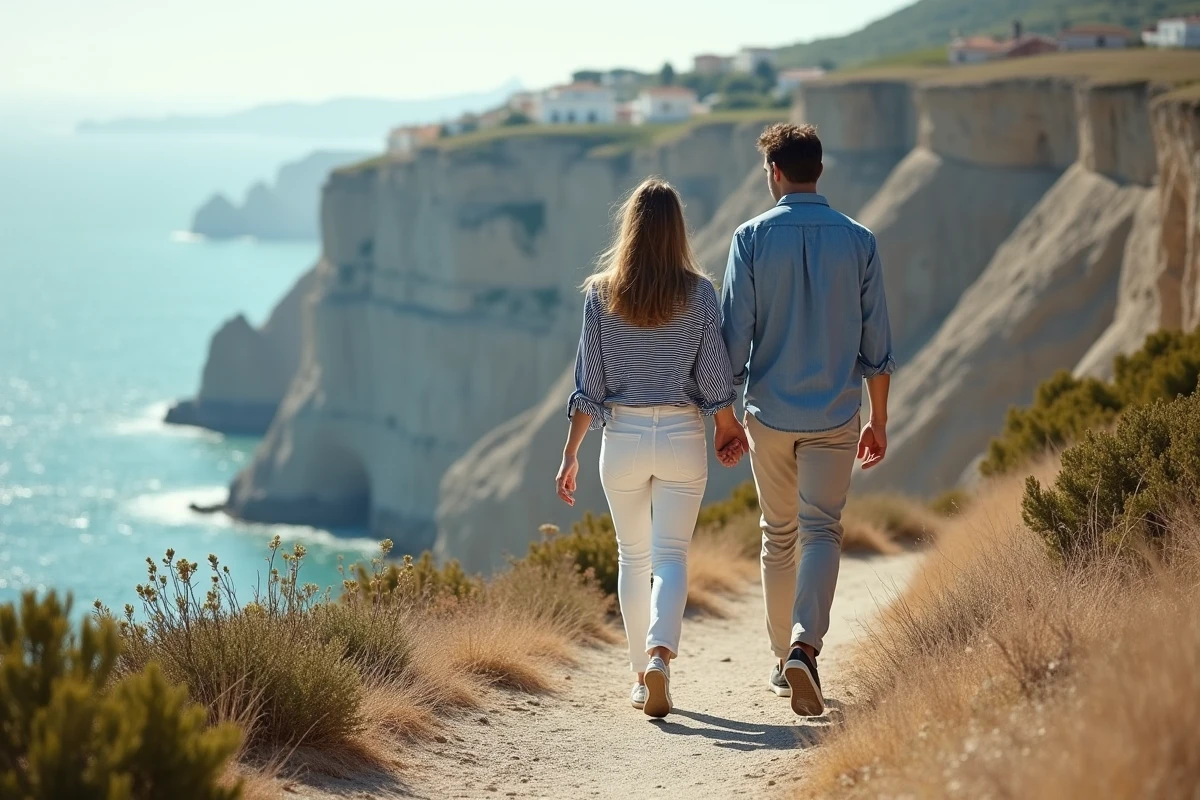
Layering System Suitable for Sicilian Spring
The principle of layering makes perfect sense in a context where the weather varies from hour to hour. Three levels are sufficient to cover almost all situations encountered in April.
Base Layer: Breathability Above All
A top made of technical material or fine blended cotton, with short or long sleeves depending on the day’s destination. For a day in Palermo or Catania, a light t-shirt works. For a hike on the slopes of Etna, a long-sleeved top protects against high-altitude wind and sun.
Mid Layer: The Key Piece
A lightweight knit jacket, a fine fleece vest, or a cardigan forms the core of the system. This piece can be easily removed in the middle of the day when the temperature rises and put back on as soon as the wind picks up. Opting for quick-drying materials avoids discomfort after a surprise shower.
Outer Layer: Waterproof Windbreaker
A lightweight, compact, and water-repellent windbreaker is a much better alternative to a heavy raincoat. It fits into a backpack and protects against both coastal winds and the frequent short rains in April. There is no need to pack a thick coat: temperatures rarely drop below winter thresholds during this period.
UV-Protective Clothing and Constraints of Sicilian Cultural Sites
Two specific elements in Sicily in April deserve special attention when packing your suitcase.
Solar radiation, even on cloudy days, already reaches a notable intensity in spring. Travelers visiting Syracuse or Taormina in April 2026 have widely adopted UPF50+ UV-protective clothing to shield themselves during long outdoor exploration days. A wide-brimmed hat and sunglasses complete this protection without weighing down the luggage.
The second point concerns the dress codes imposed at certain classified sites. Since January 2026, a Sicilian regional decree (n° 15/2026) prohibits wearing short shorts and overly revealing tank tops in Agrigento and the Valley of the Temples. This rule applies for reasons of respect for cultural norms at UNESCO sites. Planning for lightweight pants or a mid-length skirt and a top covering the shoulders avoids having to purchase clothing on-site at inflated prices.
- A pair of lightweight trousers or soft chinos, suitable for both city and archaeological sites
- A scarf or wide shawl, useful as a shoulder cover in churches and as protection against the wind
- A short-sleeved top covering the shoulders (no thin straps), compliant with the regulations of cultural sites
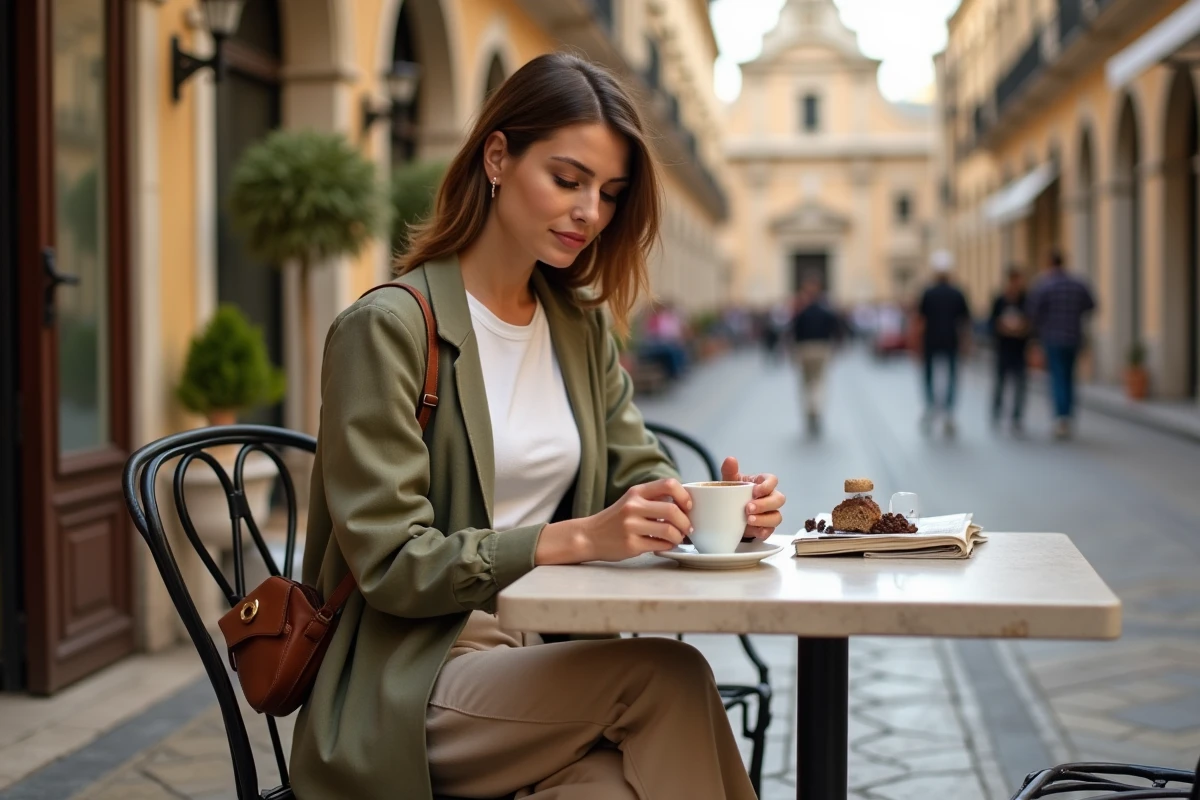
Shoes for Sicily in April: City, Volcano, and Coast
Shoes are the most strategic item in the suitcase. In April, the Sicilian terrain varies between uneven cobblestones in the historic cities of Palermo or Catania, volcanic trails around Etna, and coastal walks on rocks.
A pair of low hiking shoes, with a grippy sole and breathable upper, covers most situations. They work well in the city as well as on a trail without straining the foot. A second, lighter pair (like sneakers or closed sandals) allows for alternation and drying of the first pair after a wet day.
Flip-flops or open sandals are reserved for the beach or hotel room. On the cobblestones of Taormina or the access paths to the Aeolian Islands, they expose you to sprains and do not protect the top of the foot from the sun.
Packing a Compact Suitcase for a Week in Sicily
The goal for a week-long stay is to limit the number of pieces while covering climatic variations. Here are the items that consistently appear in the best-optimized suitcases:
- Three short-sleeved tops and one long-sleeved top, made of quick-drying materials
- Two bottoms (one lightweight pant, one short or skirt that complies with cultural site codes)
- A compact waterproof windbreaker
- An intermediate layer like a fine fleece or knit vest
- Two pairs of shoes (versatile walking shoes and a lightweight backup pair)
- A hat, sunglasses, and a multifunctional scarf
Each piece should serve at least two functions: the scarf protects against the wind and covers the shoulders in a church, while the lightweight pants work for hiking as well as dining out. This approach limits the suitcase to carry-on luggage, a practical advantage for traveling by car between Sicilian cities.
Sicily in April rewards travelers who are willing to forgo single-function outfits. A UV-protective garment worn in the morning in Syracuse becomes the base for an evening outfit in Palermo with a change of bottoms and the addition of an accessory. The decree on UNESCO sites imposes a constraint, but this constraint encourages more versatile clothing choices, ultimately lightening the luggage.